
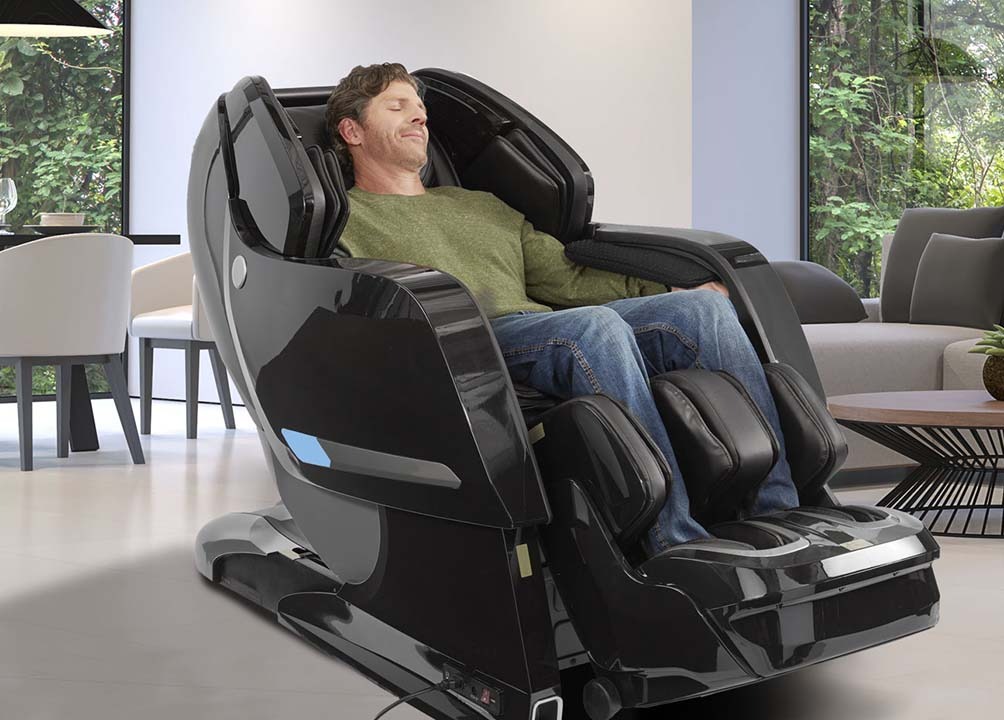
The use of massage chairs as a recovery tool after exercise sessions has gained considerable popularity in recent years. Many athletes and fitness enthusiasts turn to these devices hoping to alleviate muscle soreness, reduce tension, and accelerate the overall recovery process. But do massage chairs truly help with recovery after exercise? The answer lies in understanding how they work and what benefits they can provide.
Massage chairs are designed to mimic the techniques used in traditional massages, such as kneading, rolling, tapping, and compression. These actions aim to stimulate blood flow, relax muscles, and relieve stiffness. After an intense workout session, muscles often become tight due to microtears and inflammation caused by exertion. By increasing circulation through massage chair reviews therapy, oxygen-rich blood reaches these affected areas more efficiently. This enhanced blood flow helps flush out metabolic waste products like lactic acid that accumulate during exercise and contribute to muscle soreness.
Moreover, the relaxation induced by massage chairs can have psychological benefits that support physical recovery. Exercise places stress on both the body and mind; hence reducing mental fatigue is equally important for overall recuperation. The soothing motions of a massage chair promote the release of endorphins-natural painkillers produced by the body-which can improve mood and decrease perceived discomfort following strenuous activity.
Scientific studies investigating the effectiveness of mechanical massages show promising results but also highlight limitations compared to hands-on human massages performed by trained professionals. While massage chairs offer convenience and accessibility at home or gym settings without needing an appointment or therapist availability, they may lack personalized adjustments tailored to specific problem areas or injury conditions.
It is important for users not to view massage chairs as a standalone solution but rather one component within a comprehensive post-exercise recovery routine that includes proper hydration, nutrition intake rich in proteins for muscle repair, adequate rest periods between workouts, stretching exercises for flexibility maintenance alongside foam rolling techniques targeting myofascial release.
Additionally, individuals with certain medical conditions such as deep vein thrombosis (DVT), fractures or severe osteoporosis should consult healthcare providers before using massage chairs since improper usage could exacerbate injuries or underlying health issues.
In conclusion, while massage chairs do offer tangible benefits like improved circulation and temporary relief from muscle tension contributing positively toward post-exercise recovery processes; their effectiveness varies depending on individual needs and severity of muscular strain experienced after workouts. Incorporating them thoughtfully into broader recovery strategies enhances their utility but relying solely on these devices without addressing other critical factors may limit optimal recuperation outcomes following physical exertion sessions.